Get Radon Mitigation in Huntsville, AL
Radon mitigation services help Huntsville homeowners reduce dangerous radon levels through professional systems that seal and vent soil gases from basements and crawl spaces.
If you’re a property owner in Huntsville, AL, considering radon mitigation, you’re in the right place to explore your options. Radon is a naturally occurring gas that can accumulate indoors, potentially impacting indoor air quality and health. Many local property owners seek mitigation solutions to ensure a safer living or working environment, especially in areas where radon levels may be higher. Understanding the available services and comparing local contractors can help you plan a project that fits your needs and provides peace of mind.
This page connects you with experienced service providers in the Huntsville area who specialize in radon mitigation. Whether you’re evaluating different options or preparing for a mitigation project, it’s helpful to gather information about the services available nearby. Keep reading to learn more about how local contractors can assist with radon reduction efforts and what factors to consider when planning your property’s mitigation work.
- Radon Testing - homeowners in Huntsville neighborhoods may need testing if they notice a strong odor or after purchasing a new property.
- Radon Mitigation System Installation - residents with elevated radon levels detected during testing should seek local contractors to install mitigation solutions.
- Indoor Air Quality Improvement - families in areas with high radon potential might consider mitigation to reduce indoor radon concentrations.
- Basement Radon Reduction - homeowners with finished basements or below-grade living spaces may require mitigation to ensure safe indoor air quality.
- Post-Remediation Verification - property owners who have had radon mitigation systems installed may need follow-up testing to confirm effective radon reduction.
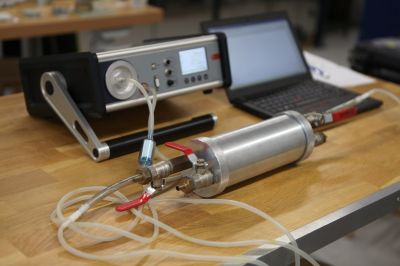
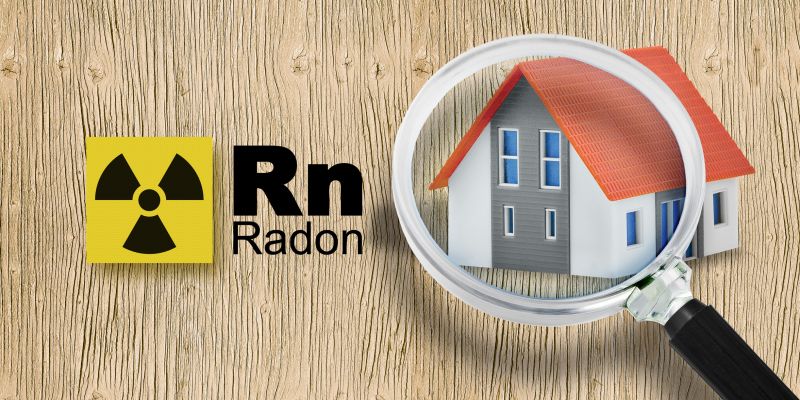

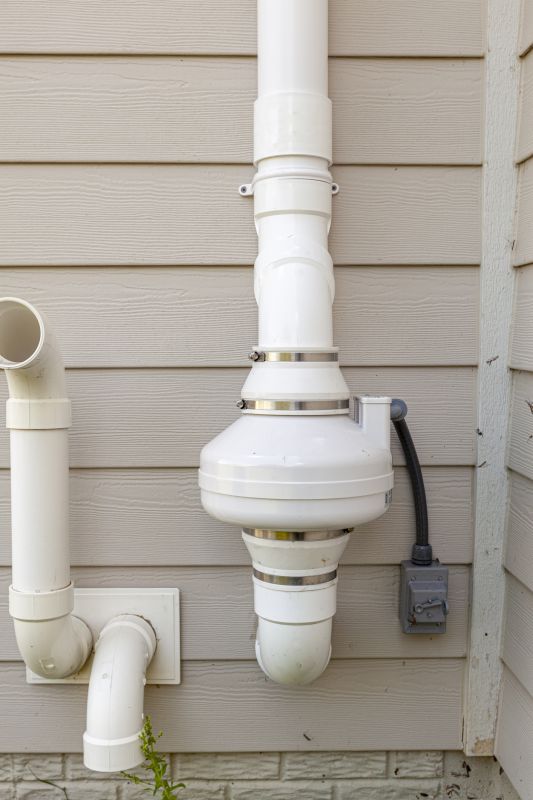
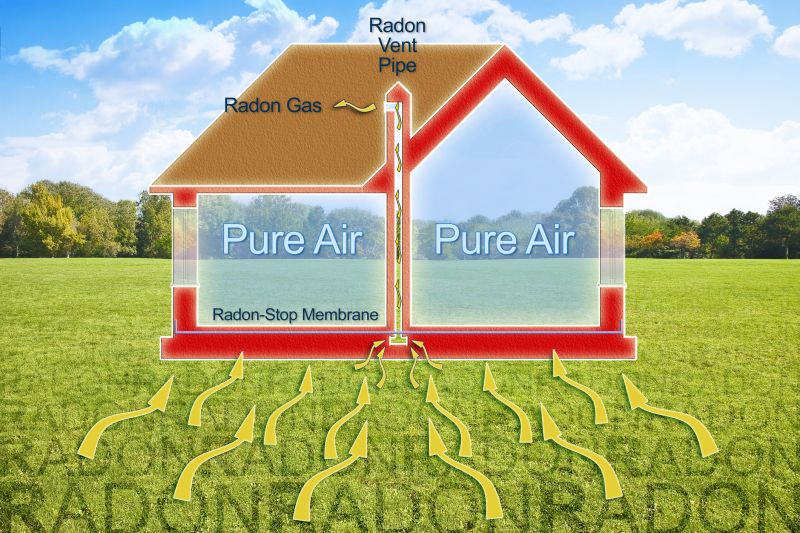
Radon mitigation services involve installing specialized systems designed to reduce radon gas levels inside a home or building. Radon is a colorless, odorless radioactive gas that can seep into structures from the soil beneath. Mitigation typically includes placing a vent pipe system and a fan that pulls radon from beneath the foundation and releases it safely outside. This process helps create a healthier indoor environment by significantly lowering radon concentrations, making the space safer for occupants.
Radon problems are often discovered through testing, especially in areas where radon is known to be common. Elevated radon levels can pose health risks over time, including an increased chance of lung cancer. Mitigation services are essential for properties with high radon readings or homes built on soil with high radon potential. These services are also recommended for homes that have undergone renovations or are being prepared for sale, as reducing radon levels can contribute to a safer living environment.
Properties that typically benefit from radon mitigation include single-family homes, especially those with basements or slab foundations. Multi-family buildings, such as apartment complexes, may also require mitigation if radon levels are found to be high. Radon mitigation is suitable for both new constructions, where it can be integrated into the building process, and existing homes that need to address radon concerns. It’s a practical solution for anyone looking to improve indoor air quality and reduce potential health risks associated with radon exposure.
When considering radon mitigation, homeowners should assess whether their property is in an area with known radon issues or if testing has indicated elevated levels. Properties with enclosed spaces, such as basements or lower levels, are more susceptible to radon accumulation and may require mitigation. Local service providers can evaluate the specific needs of each property and recommend appropriate mitigation systems. Connecting with experienced contractors ensures that the installation is effective and tailored to the property’s design and radon levels.
The overview below groups typical Radon Mitigation projects into broad ranges so you can see how smaller, mid-sized, and larger jobs often compare in Huntsville, AL.
In many markets, a large share of routine jobs stays in the lower and middle ranges, while only a smaller percentage of projects moves into the highest bands when the work is more complex or site conditions are harder than average.
Smaller Repairs - Many minor radon mitigation projects in Huntsville typically cost between $250 and $600. These jobs often involve sealing small entry points or installing basic venting systems. Most routine repairs fall within this middle range.
Standard System Installation - Installing a standard radon mitigation system usually ranges from $1,200 to $2,500. Larger, more complex homes or properties with unique challenges can push costs higher, but many projects stay within this band.
Full System Replacement - Replacing an existing radon mitigation system or upgrading to a more advanced setup can cost between $2,500 and $4,500. These projects are less common but necessary for older or heavily contaminated properties.
Complex or Custom Projects - Larger, more intricate mitigation solutions for commercial or multi-family properties can exceed $5,000. While these are less frequent, local contractors can provide estimates based on specific property needs.
Actual totals will depend on details like access to the work area, the scope of the project, and the materials selected, so use these as general starting points rather than exact figures.
Basement Waterproofing - involves sealing and drainage work similar to radon mitigation, requiring knowledge of soil and foundation systems to prevent moisture intrusion.
Indoor Air Quality Improvement - includes air duct cleaning and ventilation enhancements that complement radon reduction efforts by improving overall indoor air safety.
Foundation Repair - involves soil assessment and structural adjustments, skills that are applicable when installing radon mitigation systems to ensure stability.
Soil Vapor Barriers - requires planning and installation of barriers beneath floors, similar to the process of sealing radon entry points in a building.
HVAC System Optimization - involves ductwork and ventilation system adjustments that can support radon mitigation by improving air circulation.
Home Inspection Services - includes evaluating building systems and identifying entry points, a skill set useful for assessing radon risks and system placement.
When comparing radon mitigation service providers in the Huntsville area, it’s important to consider their experience with similar projects. Homeowners should seek out contractors who have a proven track record of handling radon reduction systems in homes comparable to theirs. An experienced local contractor will be familiar with common challenges in the region and will understand best practices for effective mitigation. This knowledge can contribute to a smoother process and a more reliable outcome, giving homeowners confidence that the work will be completed to meet their specific needs.
Clear, written expectations are essential when evaluating potential service providers. Homeowners should look for contractors who provide detailed descriptions of the scope of work, including what the mitigation system installation entails and any necessary follow-up steps. Having this information in writing helps ensure everyone is aligned on the project’s objectives and avoids misunderstandings. It also provides a useful reference point throughout the process, making it easier to track progress and address any questions that may arise.
Reputable references and strong communication are key factors in choosing a trustworthy local contractor. Homeowners are encouraged to ask for references from past clients who had similar work done, as this can provide insight into the contractor’s reliability and quality of service. Additionally, good communication-such as responsiveness to inquiries and clarity in explanations-helps build a positive working relationship. While the site introduces homeowners to local options, it’s important to remember that these service providers are responsible for performing the work, and thorough research can help identify a contractor who is well-equipped to handle the project professionally.
Property owners in Huntsville, AL use Radon Mitigation services for practical projects around their homes and businesses. This guide focuses on everyday jobs and straightforward project options.
Radon mitigation services are often sought after by property owners in Huntsville, AL, who have concerns about indoor air quality or have recently purchased a home. Many homeowners notice a musty smell or experience a persistent, stale air feeling inside their house, prompting them to explore solutions. Local contractors can assess the levels of radon in a property and recommend appropriate mitigation methods to reduce indoor radon concentrations, helping create a healthier living environment.
In addition, property owners might consider radon mitigation when preparing a home for sale or after receiving test results indicating elevated radon levels. Older homes or those with specific construction features may be more prone to radon infiltration, making professional intervention a practical step. Local service providers are equipped to handle these projects, offering solutions that fit the needs of homes across Huntsville and surrounding areas.
What is radon mitigation? Radon mitigation involves installing systems to reduce radon gas levels in a home, helping to improve indoor air quality and safety.
How do local contractors perform radon mitigation? They typically install venting systems and fans to safely vent radon gas from beneath the home to the outside environment.
Is radon mitigation necessary for my home? Radon testing can determine if radon levels are elevated, and local service providers can recommend mitigation if needed.
What types of radon mitigation systems are available? Common options include sub-slab depressurization, sealing cracks, and installing vent pipes, all handled by local contractors.
How can I find qualified radon mitigation service providers in Huntsville? A lead generation platform can connect homeowners with local contractors experienced in radon reduction services.
Radon Testing Services - Property owners can schedule radon testing to assess indoor air quality and identify potential health risks in their homes or businesses.
Radon Mitigation Solutions - Homeowners can work with local contractors to install mitigation systems that reduce radon levels and improve indoor safety.
Indoor Air Quality Improvements - Property managers can incorporate radon mitigation into renovation plans to ensure healthier environments for tenants or employees.
Preventive Radon Strategies - Real estate owners can evaluate radon risks during property inspections to address issues before listing or purchasing a property.
If you are thinking about Radon Mitigation for a property in Huntsville, AL, this guide is meant to help you understand the work, the typical project types, and how different options might fit your plans.
When you are ready, you can use the quote form on this page to share a few details about your project. From there, local pros can review the basics and respond with options that match what you have in mind.